
Electrical services are the part of a building nobody thinks about until the lights go out. In Qatar’s climate, where cooling runs almost year-round and a power fault can shut a business in minutes, getting the electrical side right is one of the quietest ways to protect your operation. Here is how it actually supports the work you do.
In this article
What electrical services cover
Electrical services is a broad term, and that is part of the confusion. For a commercial building it usually spans installation of new circuits and distribution boards, maintenance of existing systems, fault finding, and the steady stream of small repairs that keep a site running. It also covers the equipment electrical side: the wiring and protection behind your HVAC, lifts, pumps and kitchen gear.
In practice most businesses need two things from an electrical provider. Day-to-day reliability, and someone who answers the phone when something trips at the worst possible moment. The good ones handle both without making it your problem.
Why uptime depends on them
Walk into any office, clinic, warehouse or restaurant in Doha and trace what stops working when the power does. The air conditioning goes first, and in summer that is not a comfort issue, it is a reason to send staff home. Refrigeration, payment systems, servers, security and lighting all sit on the same supply. A single failed breaker can take a floor offline.
That is why electrical reliability is really a business continuity question. The cost of an outage is rarely the repair. It is the lost trading hours, the spoiled stock, the customers who leave. A well-maintained system fails less often, and when it does, a provider who knows your site fixes it faster.
Nobody notices good electrical work. They only notice the day it stops.
Planned maintenance beats emergency callouts
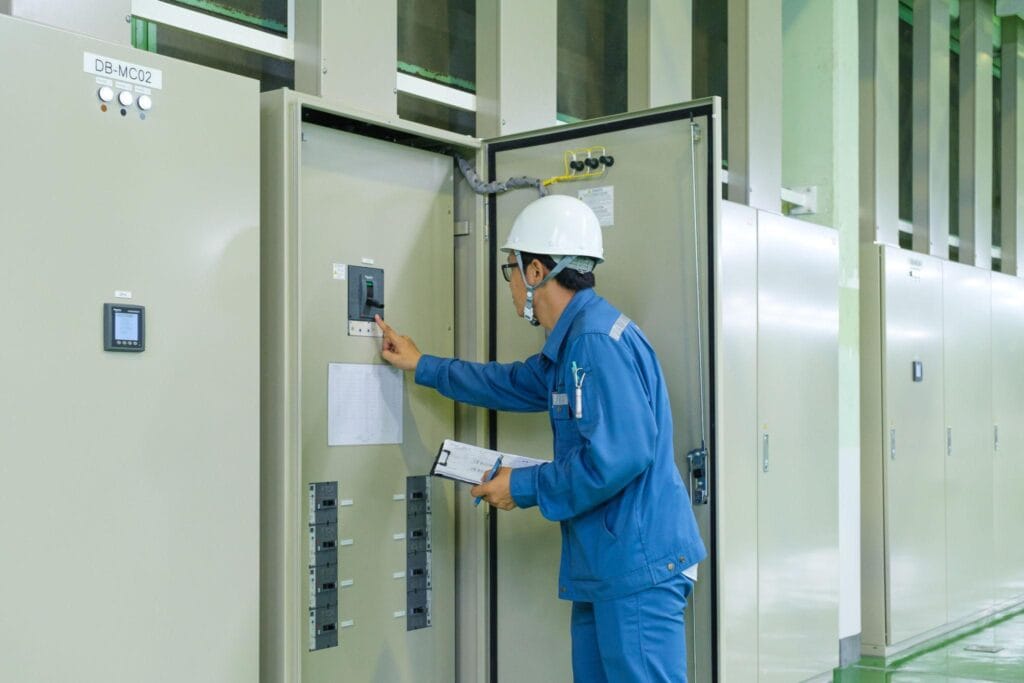
The cheapest fault is the one caught before it happens. Loose terminations, overloaded circuits, ageing breakers and heat-stressed cabling give warning signs long before they fail. Thermal imaging of distribution boards, regular testing and a simple inspection schedule catch most of them while they are still minor.
Reactive-only maintenance feels cheaper because you are not paying until something breaks. It rarely is. Emergency rates are higher, the damage is usually worse, and it always happens at the least convenient time. A planned programme spreads the cost, keeps records the authorities may ask for, and turns surprises into scheduled jobs. Pairing electrical work with your wider facilities management services keeps the whole building on one maintenance rhythm.
Safety and compliance in Qatar
Electrical work is not a place to cut corners, and in Qatar it is regulated for good reason. Installations need to meet the standards set by the local supply authority, and work should be carried out by qualified electricians, not whoever is cheapest that week. Heat plays a role here too. High ambient temperatures stress cables and connections harder than in cooler climates, so derating and proper sizing matter more, not less.
Beyond the rules, there is the plain safety case. Faulty wiring is a fire risk, and a commercial premises full of people is the last place to take that chance. A proper provider documents what they do, uses correct materials, and leaves the system safer than they found it. If a quote skips inspection and testing to look cheaper, that is a warning, not a saving.
Choosing the right partner
Look for three things. Qualified, properly certified electricians. A genuine emergency response, not a promise that goes to voicemail. And a maintenance approach that prevents faults rather than just chasing them. A provider who already manages other parts of your building has an advantage, because they understand how the electrical load connects to everything else on site.
Electrical services will never be the exciting line on a facilities budget. But they sit underneath almost everything a business does in a day. Treat them as routine maintenance rather than an emergency you deal with later, and the building stays open, safe and predictable. That predictability is the whole point.