
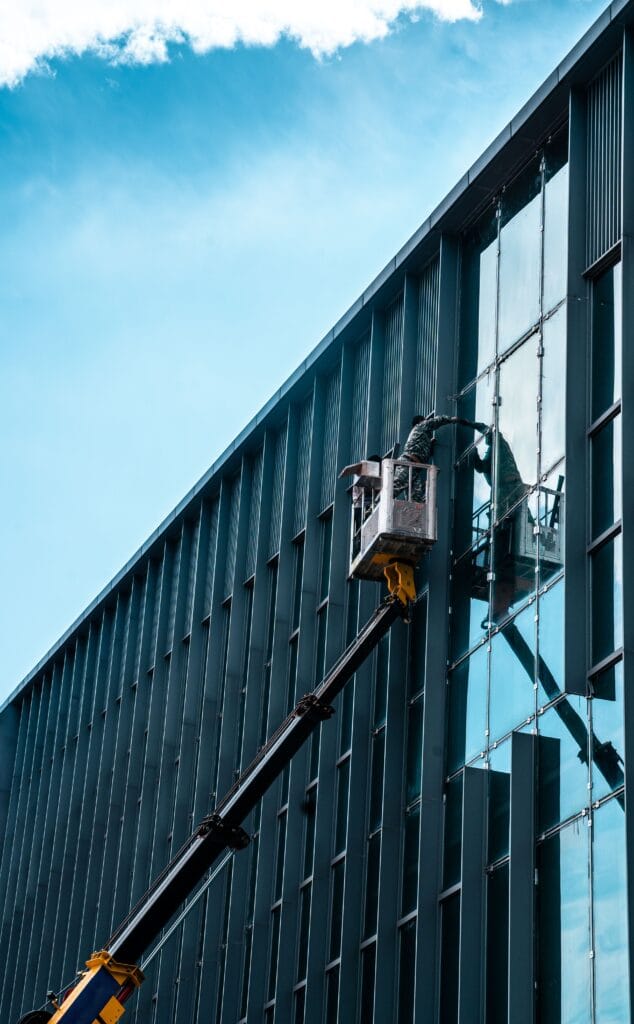
A fire detection system doesn’t fail on a schedule. It fails when a battery has quietly drained, a sensor has clogged with dust, or a fault light on the panel has been ignored for weeks. Regular maintenance is the only way to know your fire alarm system will actually work the one time it matters.
In this article
Why Fire Detection Systems Need Regular Maintenance
A fire detection system is only as reliable as its last service. Smoke detectors collect dust and cooking residue over time, which dulls their sensitivity long before they stop working outright. A fire alarm panel can sit with a minor fault flagged for months if nobody is checking it. None of these problems announce themselves. They surface during an inspection, or worse, during an actual fire. Commercial buildings are expected to keep their fire alarm system in working order and to hold records proving it, and insurers ask the same question after any claim: when was this last tested? A building manager who can produce a maintenance log has a very different conversation with both parties than one who cannot. There’s also the plain fact that a fire suppression system and a detection system only work together if both are checked on the same cycle. A sprinkler head that’s been painted over or a detector disconnected during renovation work are the kind of gaps that only show up when someone is looking for them on purpose.
What a Proper Fire Alarm Inspection Actually Covers
A real inspection is not someone walking through with a checklist and a torch. It starts at the panel, checking battery voltage, verifying the backup power switches over correctly, and clearing any fault history sitting unresolved in the log. From there, every smoke detector and heat detector gets tested individually, since a device can report present without actually sensing anything. Call points, sounders, and strobes get tested for audibility and coverage across every floor, not just the ones near the panel. Where a property has integrated sprinklers or gas suppression, the technician checks that detection and suppression are still communicating correctly, since a re-cabling job or a renovation can quietly break that link. Compass FM’s fire safety system maintenance services follow this full sequence on every visit and hand over a written report, not a verbal all clear. That report is what you show an auditor, an insurer, or a new facilities manager taking over the building six months later.
A control panel with no fault history isn’t proof the system is fine. It’s usually proof nobody has looked closely enough yet.
Common Faults Found During Servicing
The faults that turn up most often are unglamorous. Detectors painted over during a refit, which mutes them completely. Batteries near the end of their life that would have failed within weeks. Sounders wired correctly but mounted somewhere no one would hear them, usually behind a false ceiling added after the original design. Zones isolated for contractor work, sometimes for good reason at the time, then simply forgotten. A fault light that staff have learned to ignore because it has been there so long it no longer registers as unusual. Each of these is a small thing on its own. Together, on the day it counts, they are the difference between a system that raises the alarm and one that stays quiet. None of them are visible from a walk past the panel. They only turn up when someone opens the cabinet, tests each device, and checks the log against what should actually be switched on.
How Often Should Testing Happen
Weekly and monthly checks are the tenant or facilities team’s job: a quick test of the sounders, a visual check of the panel for fault lights, and confirmation that nothing has been isolated without a reason on file. A full technical service, covering every detector, the panel’s internal components, and the backup battery, should happen at least twice a year, more often in dusty environments like warehouses, kitchens, or construction-adjacent sites where sensors clog faster. This is exactly the kind of recurring work that gets skipped when it sits on someone’s to-do list rather than a contract. An annual maintenance contract puts the visits on a fixed calendar with a company that already knows the building’s layout and its history of faults, so nothing depends on someone remembering to book it. That consistency matters more than any single inspection, because a fire safety system checked once and left for two years is barely better than one that was never checked at all.
Choosing the Right Maintenance Partner
Not every provider that offers fire alarm servicing actually understands the building behind it. A fire detection system doesn’t operate in isolation. It’s wired into the electrical distribution, sometimes into the HVAC system for smoke control, and often into access control for door release on alarm. A technician who only knows the fire panel and nothing about how it interacts with the rest of the building’s electrical and mechanical systems will miss faults sitting at the boundary between the two. Ask a prospective contractor what brand of panel they are certified on, whether they carry spare parts for your specific system, and how quickly they respond to an actual fault call, not just a scheduled visit. Ask to see a sample report from a previous client. A provider worth keeping hands you a written report after every visit, not a verbal all good. Ask what happens when a fault is found: does it get fixed on the spot, quoted separately, or just noted and left for next time. The answer tells you more about the contract than the sales pitch does.
A fire detection system earns its keep on a day you hope never comes. Regular servicing, honest reporting, and a contract that keeps visits on schedule are what make sure it actually works when that day arrives. If your building’s last fire alarm inspection is more than six months behind, that’s worth fixing before it becomes a bigger problem.