
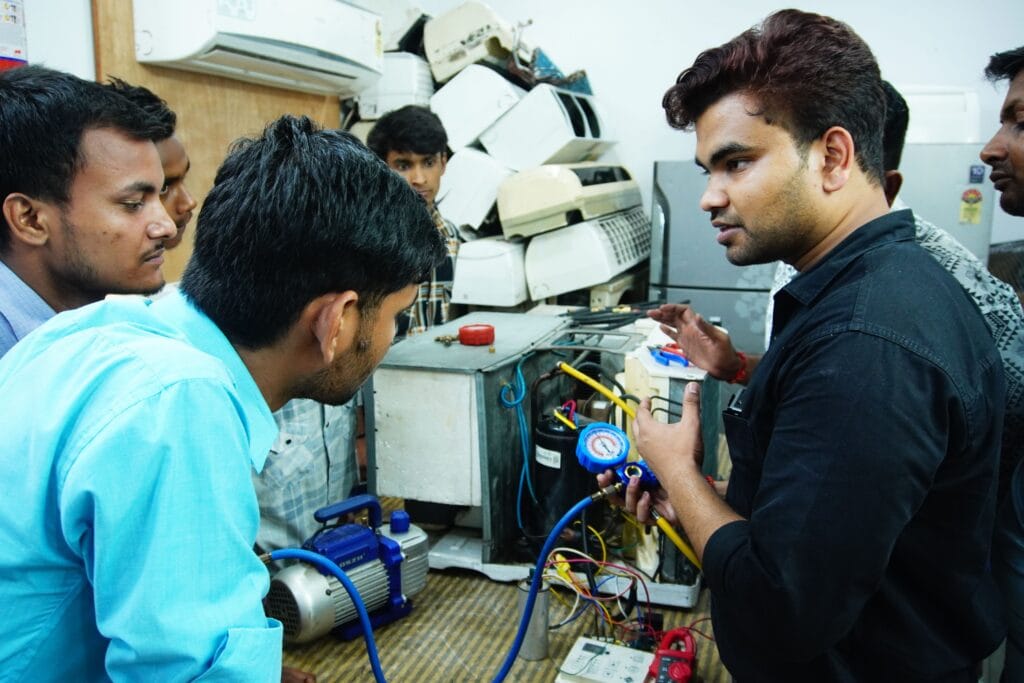
Plumbing failures rarely announce themselves. A slow drain, a faint smell near a floor trap, a water heater that takes a few extra seconds to warm up: these are the early signs most facility teams miss until a pipe bursts or a bathroom floods. This guide covers the plumbing service issues that show up most often in Qatar’s residential towers and commercial buildings, and the maintenance habits that keep small problems from turning into five-figure repairs.
In this article
- Why plumbing problems escalate fast in Qatar’s climate
- Common plumbing issues in homes and commercial buildings
- Clogged drains and sewage backups: root causes
- Water heater problems worth watching
- PVC pipes: installation and failure points
- What to do during a plumbing emergency
- Building a preventive maintenance routine
Why plumbing problems escalate fast in Qatar’s climate
Heat is the multiplier that most people forget about. Outdoor pipework in Doha can sit above 60 degrees for months, which softens certain fittings and speeds up scale buildup inside metal pipes. Add the mineral content in local water supply and you get faster corrosion in old galvanized lines and quicker sediment layers in tanks and heaters than you would see in a milder climate.
High-occupancy towers make the picture worse. A single riser can serve forty units, so a blockage or pressure drop on one floor often signals a problem two or three floors up. Villas behave differently: longer horizontal runs, more exposed pipework, and irrigation lines that share a supply with the house. A plumbing service that treats every building the same way misses these patterns.
Common plumbing issues in homes and commercial buildings
The complaints a facility team hears most often are rarely dramatic on their own:
- Dripping taps and mixer valves, usually a worn washer or cartridge rather than a full fixture failure.
- Low water pressure on upper floors, often a pump issue rather than a pipe issue.
- Toilets that keep running after a flush, wasting water quietly for weeks.
- Foul odors near floor drains, which usually point to a dry trap or a venting problem, not a leak.
- Banging or knocking pipes when a valve closes suddenly, known as water hammer.
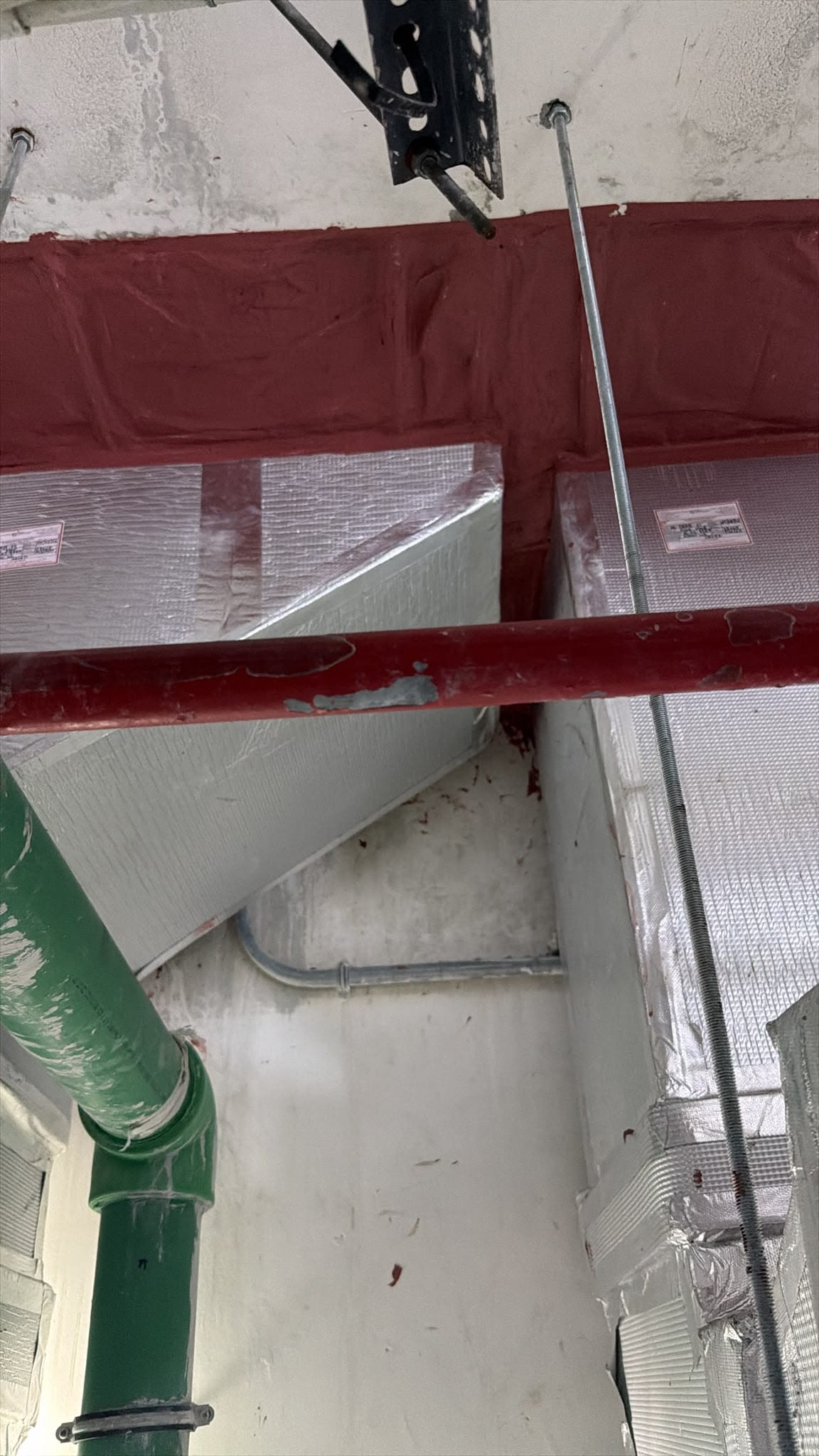
None of these need an emergency callout on their own. Left alone, though, each one tends to compound into something bigger. Our electrical and mechanical services team treats plumbing as part of the same MEP system as HVAC condensate lines and pump rooms, because a fault in one usually shows up in the other first.
Clogged drains and sewage backups: root causes
Drain cleaning requests spike around two things: grease and misuse. Kitchens that pour oil down a sink instead of a grease trap build up a waxy layer that narrows the pipe over months, then closes it off in a single busy week. Bathrooms see the other pattern: wipes, cotton pads, and sanitary items that do not break down the way toilet paper does.
Sewage cleaning becomes a bigger job when a blockage sits deep in a main line rather than a fixture trap. A backup on a ground floor unit in a tower can mean the problem is nowhere near that unit, it is further down the shared stack. Camera inspection before any digging or pipe replacement saves both time and unnecessary demolition work.
Water heater problems worth watching
Sediment is the main enemy of a water heater in this region. Hard water leaves mineral deposits at the bottom of the tank, which insulates the water from the heating element and forces the unit to work harder for the same result. Left unchecked for a couple of years, that sediment layer also causes popping or rumbling noises as trapped water boils underneath it.
Two other failure points matter: the thermostat, which can drift out of calibration and either scald or underheat water, and the pressure relief valve, a safety component that should be tested rather than ignored. A water heater that is leaking from the bottom has usually failed internally and needs replacement, not a patch.
PVC pipes: installation and failure points
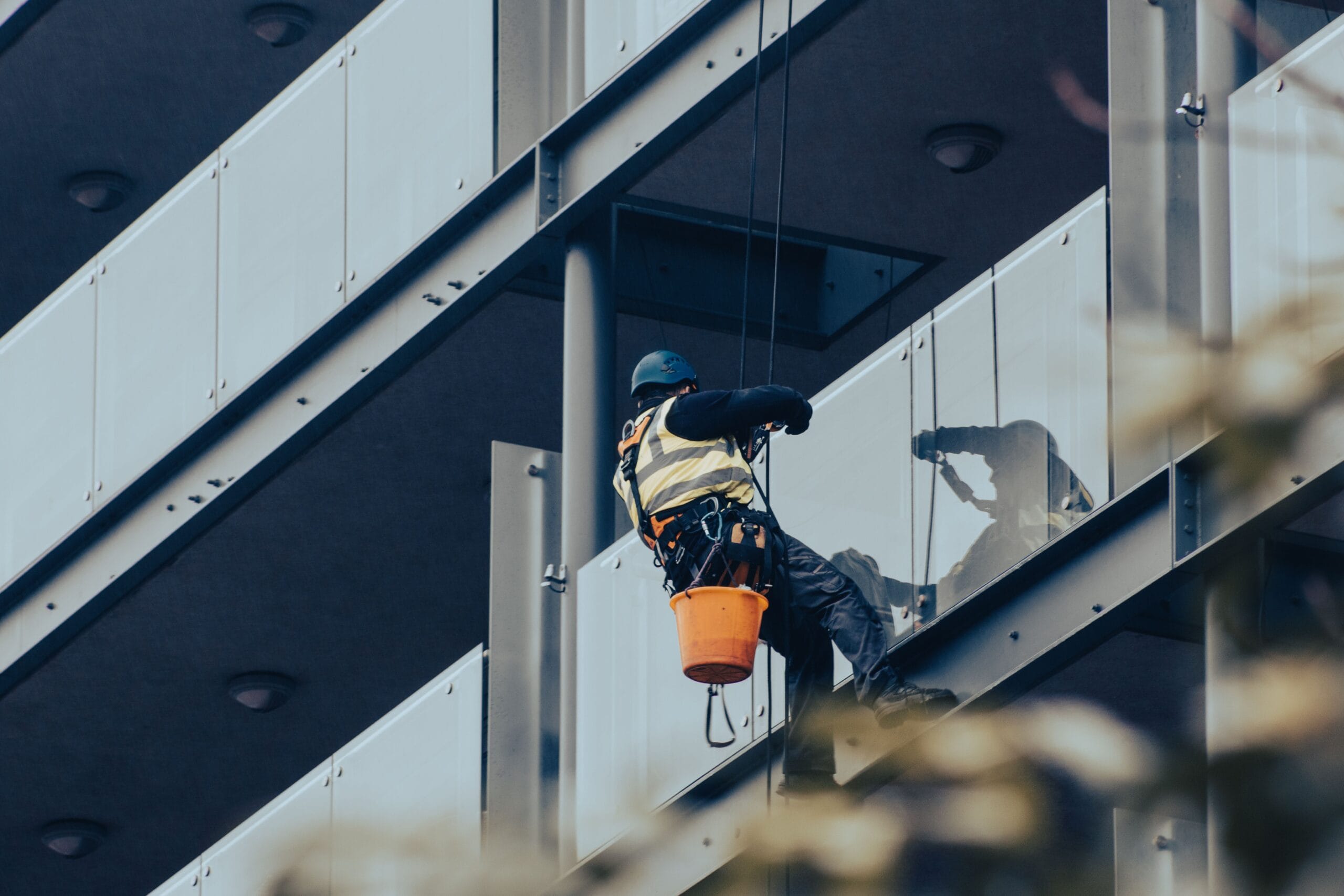
PVC pipes are the standard choice for drainage and cold water lines because they resist corrosion and cost less to install than metal alternatives. They have a real weakness here though: direct sunlight. UV exposure over a few years makes exposed PVC brittle, and a pipe that looks fine can crack under the same pressure it handled easily a year earlier.
Poor solvent welding at joints is the other common failure. A joint that was not cleaned or primed properly before welding looks solid on installation day and starts weeping at the seam within a season. Thermal expansion adds a third factor: long horizontal PVC runs need expansion loops or sliding supports, otherwise the pipe pushes against fixed points until something gives.
What to do during a plumbing emergency
A plumbing emergency has one rule that overrides everything else: stop the water first, ask questions second. Every unit and every building should have its main shutoff valve labelled and accessible, not buried behind storage boxes. Closing that valve turns a burst pipe from a flooding event into a contained repair.
Do not pour a chemical drain cleaner into a fixture that is already backing up. It rarely clears the blockage, and it turns a simple clearing job into one where the technician has to handle standing caustic water.
After the water is off, call a plumbing service rather than attempting a fix that touches the building’s shared risers or a gas-fed water heater. Photograph the damage for insurance before cleanup starts, and if the leak is near an electrical panel or socket, cut power to that circuit before anyone steps into the affected area.
Building a preventive maintenance routine
Every issue above shares the same fix: a maintenance schedule that catches wear before it becomes a callout. That means quarterly drain cleaning in kitchens and grease-heavy areas, an annual flush for water heaters to clear sediment, and a visual check of exposed PVC runs for UV damage or sagging supports.
This is exactly what an annual maintenance contract is built to cover: scheduled visits instead of reactive callouts, and a technician who already knows the building’s riser layout when something does go wrong. For portfolios spread across Qatar, the cost difference between a maintained system and a neglected one shows up first in water bills, then in the size of the repair invoice when a pipe finally fails.